
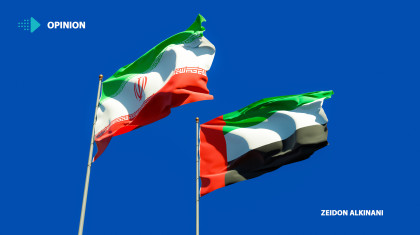
The divided Gulf region is witnessing new shifts in its approaches towards Türkiye and Iran with the emergence of post-COVID-19 economic implications and a weaker US military presence.

The most prominent figure among the candidates for the succession of al-Sistani is al-Irvani.
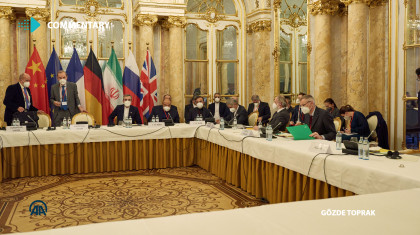
The parties' lack of flexibility in terms of the demands may bring Vienna talks and ultimately the JCPOA to the point of total collapse.

The United States and Iran have a common need to ease tensions. The upcoming JCPOA negotiations in Vienna can be given some cautious optimism.
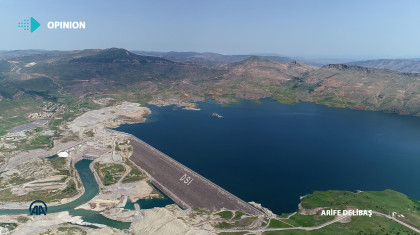
The completion of Ilisu Dam and HPP has occupied a broad place in the Iranian press, and there has been an intention to create a public opinion through serious allegations.
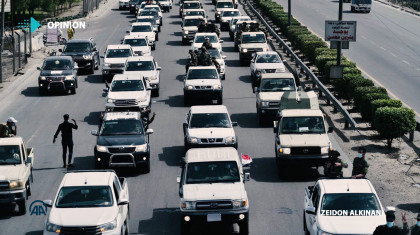
The target of the violent protesters and attackers is not focused on PM al-Kadhimi per se, but to conduct a wider attempt to ensure survival and continuous power.
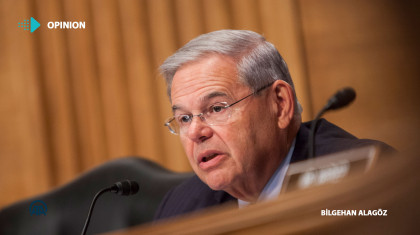
Contradictory approaches of Menendez create the impression that he is not a politician who completely feels cautious about Iran's regional behaviours.
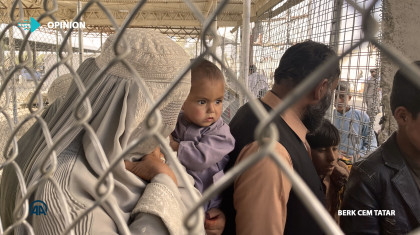
According to President Erdogan, Turkey currently hosts 300.000 Afghan refugees, whose most of them fled the country commensurate with the impetuous campaign of the Taliban.
Changes in the trade policies of major powers such as the EU will undoubtedly have multiple implications for various countries, including Iran.
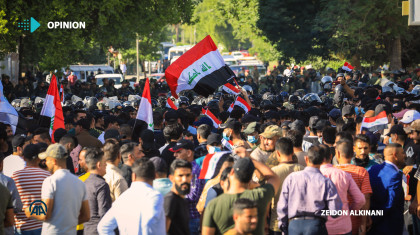
Despite the different stances towards the electoral boycott, Iraq’s Tishreen (October) protest movement is what determines Iraq’s political future and not the early elections.