

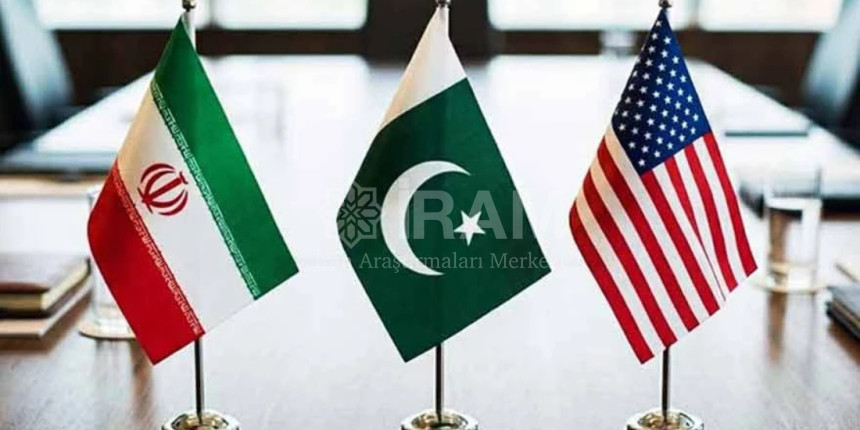
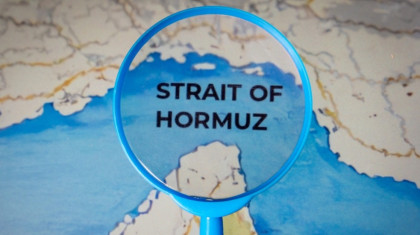
It has not retreated on Hormuz, describes a return to pre-war conditions as no longer possible, and asserts absolute sovereignty and initiative in the strait.
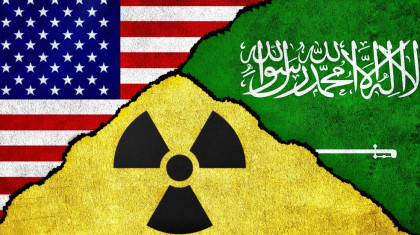
The war that began on 28 February has transformed the Iranian nuclear threat in Saudi strategic thinking from a hypothetical scenario into a concrete, long-term security challenge, reinforcing Riyadh’s view of nuclear capabilities as an instrument of strategic balancing and national security.
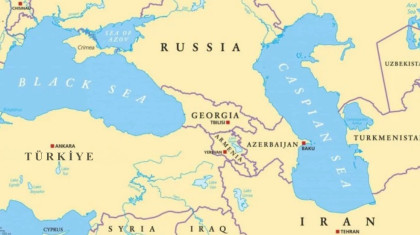
Ukraine and Iran avoided escalation through ambiguity, but the Caspian incident exposed how fragile that restraint remains

Israel faces constraints as Iran remains resilient, the U.S. limits escalation and domestic politics drive risk with fewer options

The fate of the Islamic Republic will be determined not by military superiority alone but by the outcome of this longer and more uncertain struggle. It is precisely there that Israel has now turned all of its attention.

Tehran can no longer rely exclusively on forward defense and must place greater emphasis on its own deterrence and self-defense capabilities.

From Tehran’s perspective, Lebanon is not a secondary negotiating issue but a critical component of its long-term security strategy.

Iran is not holding firm because it rejects diplomacy. It is doing so because, from Tehran’s perspective, retreat would not resolve the crisis –it would simply strip the Islamic Republic of the very instruments it considers essential to endure it.

With the outbreak of the war on February 28, the nuclear issue has been absorbed into a far broader bargaining environment in which longstanding disputes over sanctions, ballistic missiles, regional influence, and entrenched mutual distrust now intersect with a new set of geopolitical frictions generated by the war itself.
