

Iran is not holding firm because it rejects diplomacy. It is doing so because, from Tehran’s perspective, retreat would not resolve the crisis –it would simply strip the Islamic Republic of the very instruments it considers essential to endure it.
Why Tehran Wants More Than a Ceasefire

The fragile ceasefire announced in early April reopened a diplomatic channel between Washington and Tehran. Yet despite the decline in battlefield intensity, negotiations are already confronting a deeper structural impasse. The two sides are approaching the postwar environment with profoundly different strategic expectations. Washington seeks to convert the ceasefire into a rapid political settlement, stabilize the Strait of Hormuz, and secure visible concessions from Tehran. Iran, by contrast, views the diplomatic process through a far broader geopolitical lens.
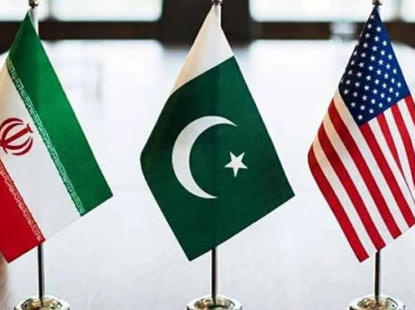
Tehran is not negotiating as a defeated actor prepared to accept a narrowly defined ceasefire arrangement. Rather, it is entering talks with an expansive set of demands shaped by its reading of the emerging postwar balance of power. The reported 14-point proposal transmitted to Washington through Pakistani mediation on May 10 –although ultimately rejected by the Trump administration– offers important insight into Tehran’s strategic thinking. It suggests that Iran no longer views the crisis merely as a technical dispute over the nuclear file. Increasingly, Tehran appears intent on renegotiating the broader parameters of the regional order likely to emerge after the war.
According to Iranian diplomatic and media reporting, Tehran’s framework extends well beyond the confines of a conventional ceasefire. The proposal reportedly includes demands for the termination of hostilities across multiple regional fronts, including a durable ceasefire in Lebanon and guarantees against future Israeli military operations. Iran has also sought the lifting of the U.S. naval blockade, sanctions relief, the release of frozen assets, compensation for wartime damages, and formal recognition of its sovereign role in the Strait of Hormuz.
Tehran has adopted an equally firm position on the nuclear file. Iranian officials have rejected demands for the dismantlement of the country’s nuclear infrastructure, the permanent surrender of highly enriched uranium stockpiles, or a long-term suspension of enrichment activities. Instead, Iran has reportedly proposed a more limited formula: diluting part of its uranium reserves while temporarily transferring the remainder to a third country under conditions guaranteeing its return should the agreement collapse. The proposal reflects a broader strategic imperative –preserving nuclear leverage rather than relinquishing it.
At the core of Tehran’s position lies a larger strategic calculation. Iran no longer treats nuclear capability merely as a technical or civilian energy issue. The nuclear program has become deeply embedded within the country’s deterrence architecture and broader conception of regime security. This helps explain why Iranian officials insist that meaningful economic and security guarantees must precede substantive nuclear concessions and why Tehran seeks to situate the nuclear file within a broader regional settlement rather than treat it in isolation.
Washington, however, approaches the issue from a fundamentally different perspective. For the Trump administration, the nuclear dossier remains the principal arena through which the United States can demonstrate that military pressure produced tangible strategic gains. The reported American proposal reflects this logic. Washington has allegedly demanded a suspension of uranium enrichment for at least twelve years, the transfer of roughly 440 kilograms of uranium enriched to 60 percent, and formal commitments preventing future weapons development. In exchange, the United States has reportedly offered phased sanctions relief, the partial release of frozen assets, and the lifting of the naval blockade.
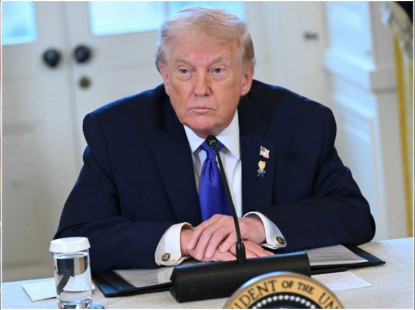
President Donald Trump’s dismissive response to Iran’s counterproposal –accusing Tehran of “playing games” while warning of the fragility of the ceasefire– illustrates the widening diplomatic gap between the two sides.
More fundamentally, these exchanges reveal not merely a disagreement over diplomatic formulas, but a deeper divergence over the purpose of negotiations themselves. Washington seeks an agreement that constrains Iran’s nuclear and regional capabilities while reshaping its broader strategic behavior. Tehran, by contrast, seeks an outcome that safeguards regime survival, restores deterrence credibility, and prevents wartime pressure from being converted into long-term strategic capitulation.
Tehran’s strategic calculus
Iran’s demands –often described by Western observers as maximalist– should not be dismissed as mere bargaining tactics. They are rooted in Tehran’s assessment of the evolving strategic environment. Iranian decision-makers do not believe they are negotiating from a position of outright weakness. Rather, they view the United States as reluctant to engage in a direct and large-scale military confrontation, preferring instead to rely on economic pressure, naval coercion, and calibrated military action. From Tehran’s perspective, such restraint provides room for maneuver.
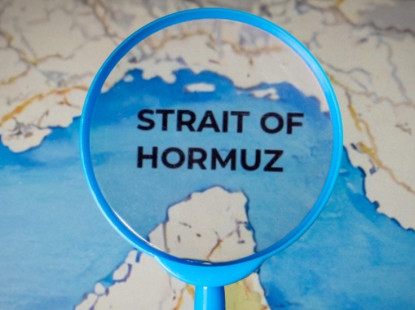
Within this framework, the Strait of Hormuz and Iran’s nuclear infrastructure have emerged as the twin pillars of the country’s deterrence posture and negotiating leverage. Hormuz provides Tehran with the capacity to impose immediate costs on global energy markets and maritime security. The nuclear program, meanwhile, prevents Washington and Tel Aviv from assuming that Iran can be strategically weakened without meaningful consequences. From Tehran’s vantage point, relinquishing either asset before a formal political settlement would amount to surrendering leverage while uncertainty remains unresolved.
The nuclear issue is particularly sensitive because Iranian policymakers interpret it through the lens of historical experience. The collapse of earlier diplomatic efforts –especially the aftermath of the Joint Comprehensive Plan of Action (JCPOA) –reinforced the belief that concessions made under pressure do not necessarily generate stability, sanctions relief, or durable security guarantees. On the contrary, many in Tehran view the post-JCPOA experience as evidence that compromise may invite additional demands while deepening strategic vulnerability. This helps explain why Iranian officials increasingly insist that any future arrangement rest not on political assurances alone, but on institutionalized and difficult-to-reverse economic and security guarantees.
Domestic politics further constrain Tehran’s flexibility. Iran’s security establishment and hard-line factions argue that sweeping concessions under military pressure would erode internal legitimacy while emboldening external adversaries. Under such conditions, coercive pressure does not necessarily moderate Iranian behavior; often, it reinforces resistance narratives within the political elite. The more Washington assumes that military and economic pressure can force rapid compromise, the more Tehran frames defiance as essential to regime survival.
This does not mean Iran is immune to pressure. Sanctions, maritime restrictions, military threats, and regional instability impose substantial costs on the Islamic Republic. Yet pressure alone rarely determines state behavior. Governments tend to make concessions only when they conclude that compromise is less dangerous than resistance –and when proposed agreements appear credible, enforceable, and politically sustainable. Tehran has not reached that conclusion. Iranian leaders continue to view their remaining instruments of leverage –Hormuz, nuclear threshold capacity, regional networks, and escalation capabilities– as too strategically valuable to exchange for limited or reversible concessions.
The current crisis, therefore, is not merely a technical dispute over uranium enrichment, sanctions relief, or maritime access. At its core lies a deeper clash between competing strategic assumptions. Washington believes Iran can still be compelled to accept a settlement that significantly constrains its regional and nuclear capabilities. Tehran believes that accepting such terms before securing durable guarantees would amount to strategic capitulation.
This fundamental divergence helps explain the fragility of the ceasefire itself. For Washington, success means translating military and economic pressure into a visible diplomatic victory. For Tehran, survival means preventing precisely such a scenario. What Washington regards as a reasonable settlement, Iran increasingly sees as the prelude to strategic retreat.
Unless this strategic divergence is narrowed, the ceasefire is unlikely to evolve into a durable political settlement. A more plausible trajectory is an extended period of instability characterized by low-intensity confrontation, intermittent escalation, and negotiations that remain active yet incapable of resolving the underlying conflict. Iran is not holding firm because it rejects diplomacy. It is doing so because, from Tehran’s perspective, retreat would not resolve the crisis –it would simply strip the Islamic Republic of the very instruments it considers essential to endure it.