
Iran’s protectionist behaviour in foreign trade to protect the domestic market created problems in the trade of many products within the scope of the PTA.
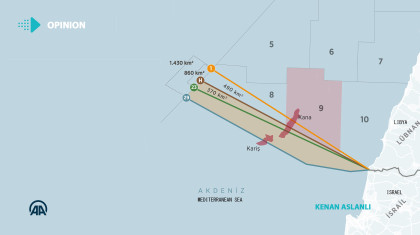
The Israel-Lebanon Maritime Border Deal has been a trigger that started the new phase of the dashing energy policies of the countries in the region.
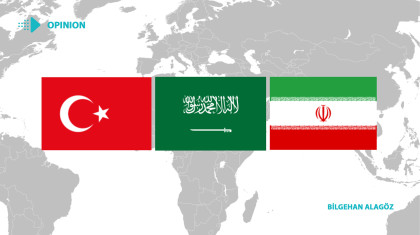
Due to its national interests, Türkiye remains at an equal distance from two critical states of the Middle East, Saudi Arabia and Iran.
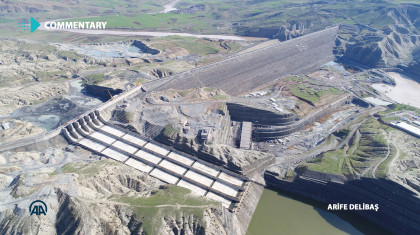
Iran, which defines Türkiye’s dam activities on transboundary waters as “unacceptable”, tries to create a public opinion against Türkiye through serious accusations.
Consequently, Türkiye utilized its balancing impact in favor of Iran in the Maximum Pressure policy era, may facilitate that influence to contain Iran’s adventurism under the new conditions.
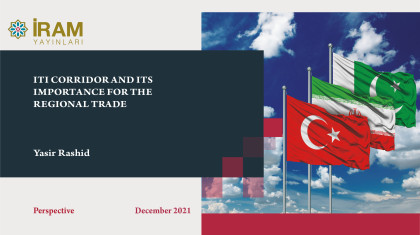
For Türkiye, in the framework of the “Asia Anew Initiative”, the ITI Corridor, bypassing the Suez Canal, provides safer and shorter access to the Indian Ocean and South Asian markets.
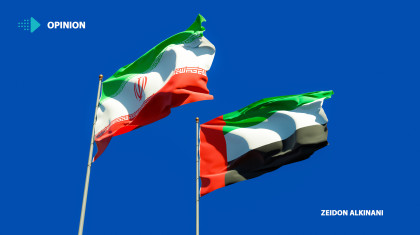
The divided Gulf region is witnessing new shifts in its approaches towards Türkiye and Iran with the emergence of post-COVID-19 economic implications and a weaker US military presence.
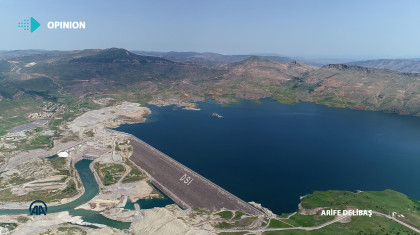
The completion of Ilisu Dam and HPP has occupied a broad place in the Iranian press, and there has been an intention to create a public opinion through serious allegations.
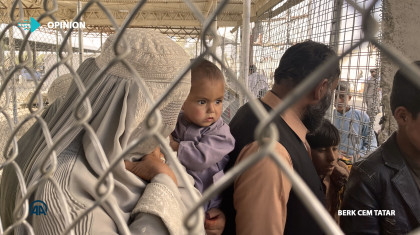
According to President Erdogan, Turkey currently hosts 300.000 Afghan refugees, whose most of them fled the country commensurate with the impetuous campaign of the Taliban.
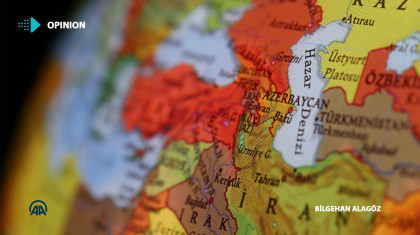
If tension spiked between Iran and Azerbaijan is connected with Iran’s concern over Israel, the way to address these concerns is diplomacy and regional cooperation.