


From Tehran’s perspective, Lebanon is not a secondary negotiating issue but a critical component of its long-term security strategy.

Iran is not holding firm because it rejects diplomacy. It is doing so because, from Tehran’s perspective, retreat would not resolve the crisis –it would simply strip the Islamic Republic of the very instruments it considers essential to endure it.

Hardline factions such as the Paydari Front, whose ideological rigidity and institutional foothold in parliament and the media give them considerable discursive weight, remain a domestic pressure point that Iranian decision-makers must carefully navigate.

While limited and transactional cooperation mechanisms may emerge between Tehran and Riyadh, a deeper and more enduring strategic alignment between the two countries remains improbable in the near term.

Iran’s decision to suspend cooperation with the IAEA represents a high-stakes gambit – an attempt to enhance deterrence without formally exiting the NPT.
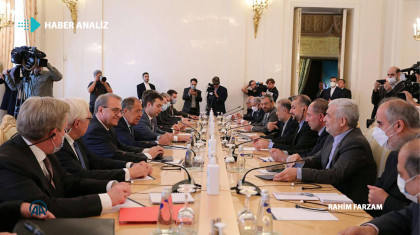
Iran considers the isolation of Russia by the West due to the Ukraine War as a crucial opportunity to improve relations.

The advisory report concerning the verification of lifting the sanctions may be transformed into a binding law for the government by the parliament.
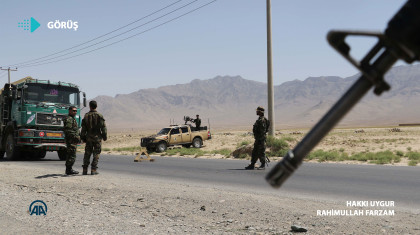
The power vacuum that will emerge in Afghanistan with the withdrawal of the US and NATO raises security concerns for and whets the appetite of many regional actors.
Turkey has all the capacity to make contributions to the Afghan peace process thanks to its location and its international affairs.

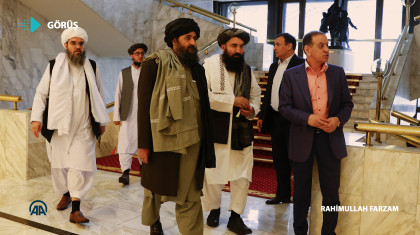
Tehran, which expects Biden to return to the Nuclear Deal, wants to send a message that it is also one of the key actors in the Afghanistan issue through the Taliban.
