
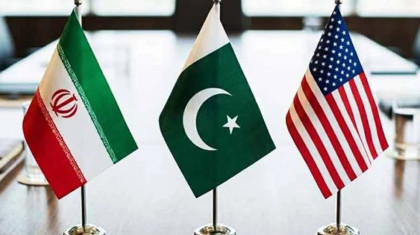
Pakistan’s role is not to impose a settlement, but to ensure that when either side is prepared to step back from confrontation, a diplomatic channel and a workable framework remain available.
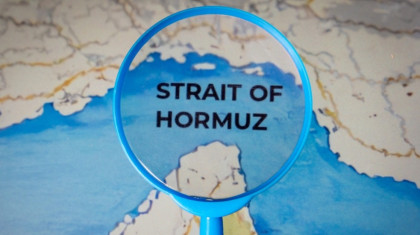
It has not retreated on Hormuz, describes a return to pre-war conditions as no longer possible, and asserts absolute sovereignty and initiative in the strait.
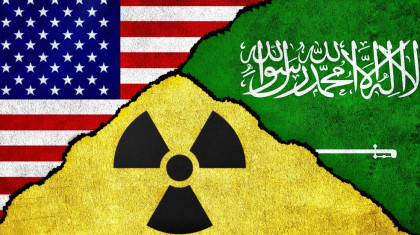
The war that began on 28 February has transformed the Iranian nuclear threat in Saudi strategic thinking from a hypothetical scenario into a concrete, long-term security challenge, reinforcing Riyadh’s view of nuclear capabilities as an instrument of strategic balancing and national security.

The course of the war reveals a fundamental paradox: while none of the principal actors appears capable of achieving a decisive victory, all retain sufficient capacity to obstruct a stable resolution.

While limited and transactional cooperation mechanisms may emerge between Tehran and Riyadh, a deeper and more enduring strategic alignment between the two countries remains improbable in the near term.

Iran's most important strategic goal in the Horn of Africa is to penetrate the Red Sea outlet, which is perhaps the most important of the global waterways.