

What is emerging, then, is not a stable post-war order but a fragile state of “neither war nor peace.”
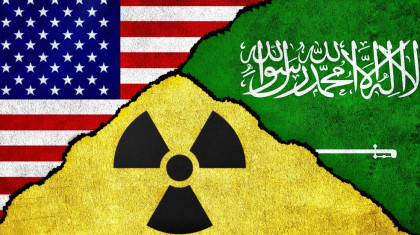
The war that began on 28 February has transformed the Iranian nuclear threat in Saudi strategic thinking from a hypothetical scenario into a concrete, long-term security challenge, reinforcing Riyadh’s view of nuclear capabilities as an instrument of strategic balancing and national security.

Iran is not holding firm because it rejects diplomacy. It is doing so because, from Tehran’s perspective, retreat would not resolve the crisis –it would simply strip the Islamic Republic of the very instruments it considers essential to endure it.

With the outbreak of the war on February 28, the nuclear issue has been absorbed into a far broader bargaining environment in which longstanding disputes over sanctions, ballistic missiles, regional influence, and entrenched mutual distrust now intersect with a new set of geopolitical frictions generated by the war itself.

YPG’s recent setbacks extend well beyond the Syrian theater. They may act as a catalyst for broader recalibration among Kurdish armed movements operating against the Islamic Republic –one that privileges political survivability over armed maximalism.

Israeli Prime Minister Netanyahu's tactics are unlikely to produce a movement strong and organized enough to bring about regime change in Iran under the current circumstances.

Iran’s decision to suspend cooperation with the IAEA represents a high-stakes gambit – an attempt to enhance deterrence without formally exiting the NPT.

Tehran seeks an exit from a potential crisis with the U.S., while Israel pushes preemptive options to guarantee its safety


